Director of Transportation Report: April 8, 2020
By
Published April 10, 2020 at 05:01AM
https://ift.tt/3ea1ymw
By
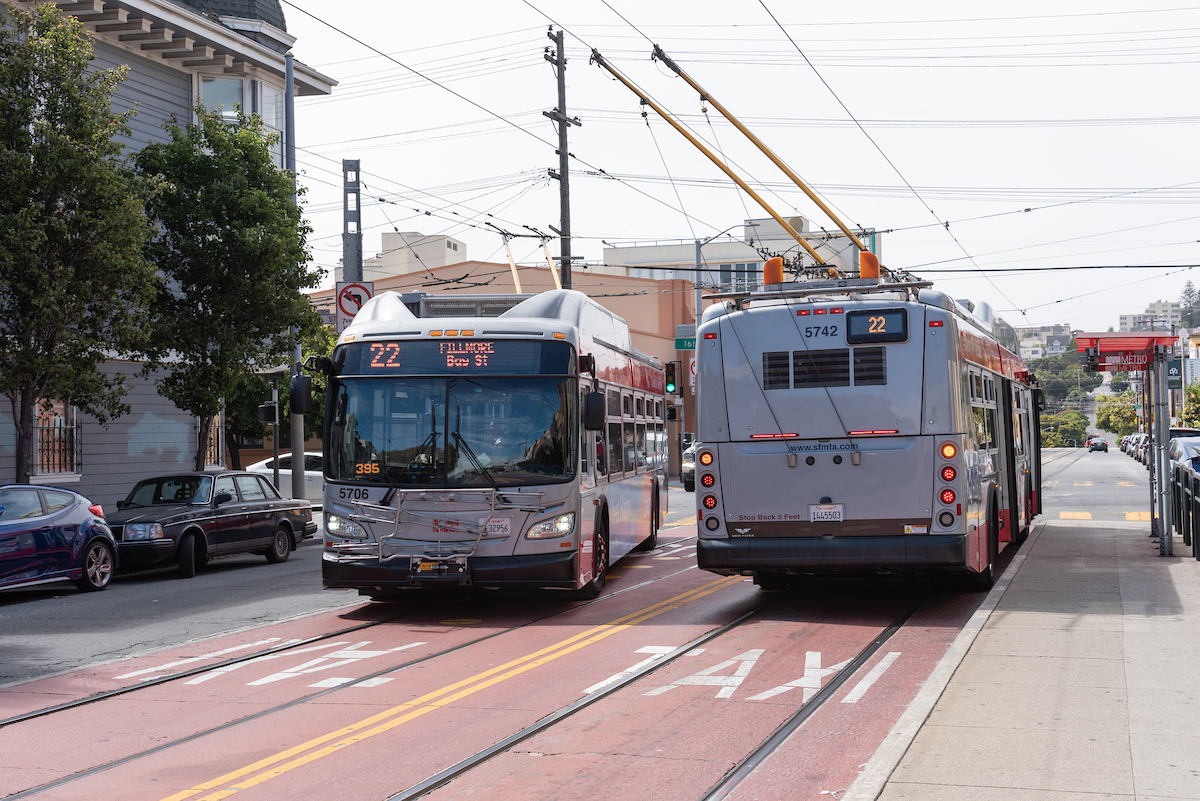
In this week's Director's Report from the SFMTA Board of Director's Meeting, Jeffrey Tumlin gave updated on the following topics:
Coronavirus Response
- Department Operations Center (DOC) activated March 13, using an incident command system responsible for planning and implementing our responses to the COVID-19 public health emergency. Priority is reducing health risks for staff and passengers while continuing to provide critical access.
- DOC team has developed policies and standard operating procedures informed by the Department of Public Health (DPH) to reduce risk of transmission in our system, ensuring we have systems and protocols in place before we need them.
- We now need San Franciscans to do their part by complying with the shelter-in-place orders, making only essential trips. And we need people to use Muni only for those essential trips that they cannot make by walking, biking or other modes of transportation. Now’s the time to do that so that riders like health care workers can get to where they are needed.
- We are working on a few fronts to address our near-term and long-term financial health.
- Fare and parking revenues are down by 80% - 90%, representing almost 50% of our budget.
- 30% of our budget comes from the City’s General Fund, which is also expected to be severely impacted by this event.
- We have been advocating for and are closely monitoring Federal relief funding and state support for transit agencies.
- The CARES Act, a $2.2 trillion federal emergency relief bill signed into law March 27, includes $25 billion to support public transit. The Bay Area is expected to receive $1.3 billion in funding through existing federal formulas.
- SFMTA working with Metropolitan Transportation Commission (MTC) to develop processes to distribute funding.
- Supporting the hardest hit San Franciscans by suspending new late fees on citations and extending March Lifeline passes.
- We are also tightening our own belts by looking at our budgets and taking steps to not incur overtime and reducing nonessential purchase orders.
- We have instructed managers about what to do when a positive case is reported, we have cleaning practices in place that not only disinfect to prevent transmission but also remove barriers to deep cleaning any workspace of someone who tests positive for the virus; we also have worked with DPH to be clear on what “close contact” means for our staff, so we can provide appropriate guidance on which other staff might need to get tested or do self-quarantine.
Vision Zero
- Rapid Response
- Wrong-way injury collision on 10th Street March 23. Of the three parties involved, two are still receiving medical care. San Francisco Police Department is investigating.
- Performed a rapid response but do not have any recommendations at this time. We will continue doing rapid responses, but crews will only be focusing only on essential tasks in the field.
- Safe Streets/Safe People Update.
- Vision Zero safety projects that require fieldwork are also delayed, including Vision Zero Street Team ambassador outreach and street projects.
-
- Detailed design work being expedited as field operations temporarily slow down.
- Temporary Bikeways
- Following DPH’s guidelines related to construction projects, for now we are not proposing any repurposing of the right of way for temporary bike lanes or adding additional pedestrian space.
Our Board of Directors meeting is usually held on the first and third Tuesdays of each month. To watch the meeting in full, go to SFGovTV.
Published April 10, 2020 at 05:01AM
https://ift.tt/3ea1ymw
Comments
Post a Comment