By Bonnie Jean von Krogh
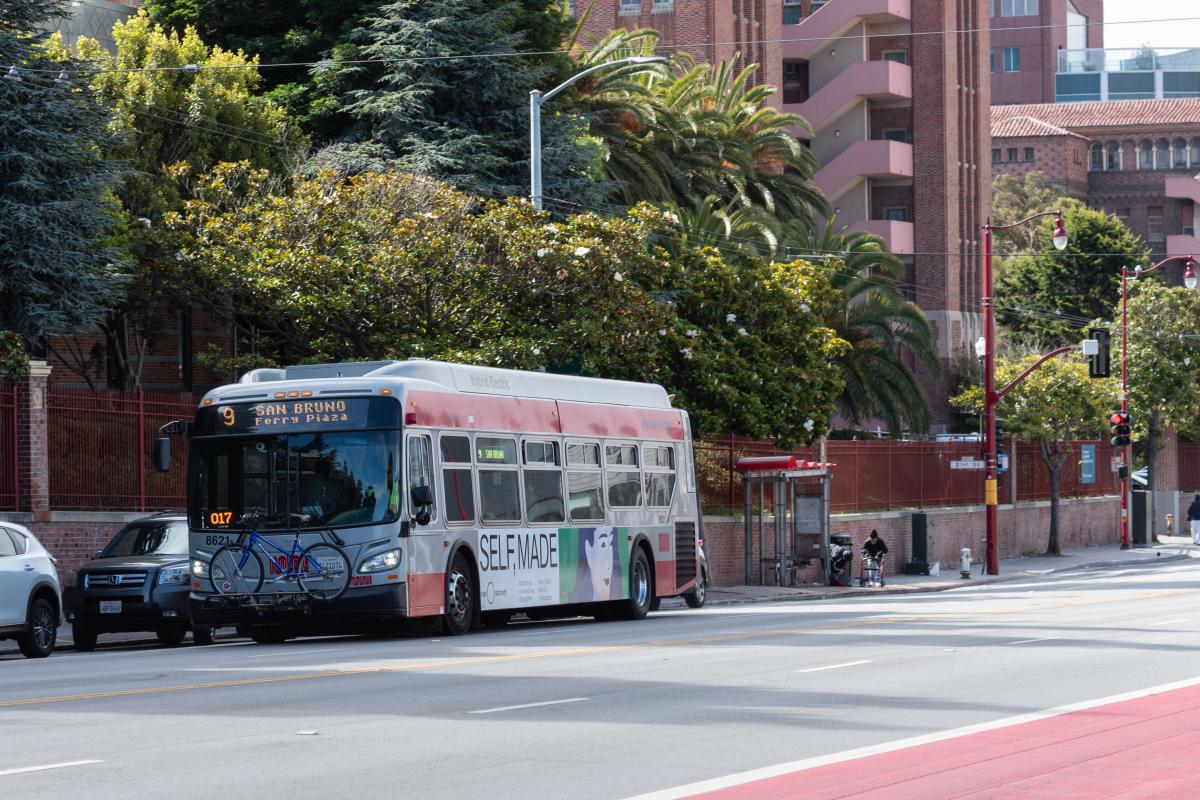
Muni service is undergoing dramatic changes in response to COVID-19. Many critical Muni staff including operators, mechanics, and car cleaners are more vulnerable to coronavirus due to their age or preexisting health conditions, so they are sheltering in place in accordance with the city’s order. This has made it difficult for us to fully staff all our routes.
Muni’s Core Service Plan now in place focuses SFMTA’s limited resources on providing service on our busiest lines with the highest demand during this crisis. Although we are running only about 20% of our transit lines (17 of 79 lines), last week those 17 lines carried approximately 80% of our passengers due to changing trip patterns. This core service is in support of essential trips that cannot be made in other ways. We are asking all San Franciscans to help us maintain adequate space on buses for social distancing by staying at home except for essential trips. Further, if you can take alternative transportation to Muni, please do.
Still need to travel on Muni? Check out the changes now in effect. Be sure to plan extra time for your trip which now may include transfers and a longer walk. Remember your fare is good for two hours across multiple buses.
Muni Core Service
- View the COVID-19 Muni Core Service Plan for the 17 bus lines Muni is now running daily from approximately 5AM-10PM. Background on the changes can be found in our recent blog post.
- Access a larger map of the Core Service which also displays regional transit connections and can be downloaded.
- We are working with Third Party Transit Data Providers to ensure these changes are reflected in their trip planning apps. Please note that many of the arrival predictions will be unreliable for at least a few days.
Modifications to Specific Routes
- Check out our Travel and Transit Updates for routes that have been modified as part of the Core Service Plan – either shortened, extended or updated to serve additional stops.
Updates to Late-Night Owl Service
- View updates to Muni’s all-night bus service in the COVID-19 Muni Owl Service Plan. Note that Owl service now starts earlier at 10PM and runs until 5AM.
- Access a larger map of Owl Service, which can also be downloaded.
Alternatives to Muni
- Paratransit service continues to operate as normal so that customers can travel for essential needs. We ask riders to cancel any non-essential trips.
- Use Shop-a-Round for low-cost shuttle or subsidized Taxi rides to/from the grocery store for registered seniors and people with disabilities. A customer does not have to be ADA-paratransit eligible to use the service.
- Taxi services, including wheelchair accessible ramp taxis, continue to operate as an essential service. Individual taxi companies are following best practices to minimize the risks of transmission.
- For Bikeshare and Scooter Share, please visit the websites and apps of the individual companies for whether they continue to operate and for information on availability during the COVID-19 shelter-in-place.
For more updates on all SFMTA services during this public health crisis, visit SFMTA.com/COVID19.
Published April 08, 2020 at 11:21PM
https://ift.tt/2RmxQAQ
Comments
Post a Comment