By Bradley Dunn
Responding to the Covid-19 public health crisis has radically changed our transportation system. No one wants a disaster to put lives at risk and disrupt everyday life. Data is guiding the SFMTA, not just during our reaction to the crisis, but how we will thoughtfully recover.
Transit’s Recovery
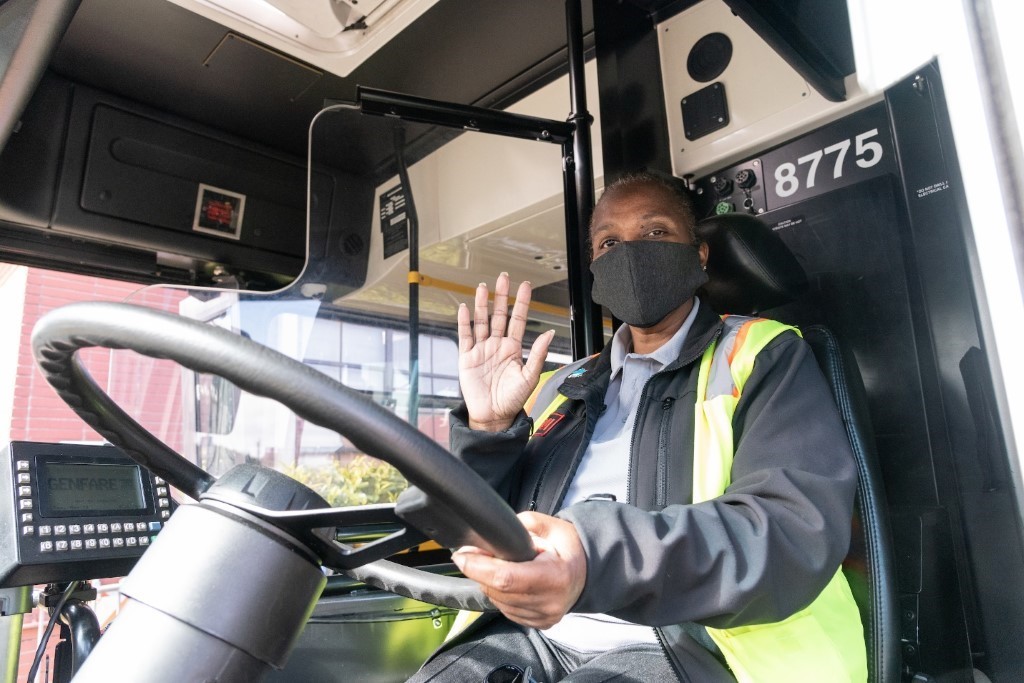
When shelter-in-place began and the SFMTA was forced to reduce Muni service, we identified how to focus our service reductions using data. Our Muni Core Service Plan prioritized our available resources based on locations of medical facilities, Muni’s Equity Strategy and data from shifting customer travel patterns observed during the first weeks of the COVID-19 shelter-in-place order. Our service plan kept all of San Francisco within one mile of an active Muni stop. As additional resources have become available, guided by the same data as well as additional information from our operators, riders, and city leaders, we have increased frequency and returned some additional routes to service.
As more people return to working in retail and manufacturing, there will be an increased demand for transit, even as physical distancing still limits Muni’s capacity. If we cannot get the thousands of employees who rely on Muni to work, San Francisco cannot recover economically.
Preventing crowding and everyone wearing masks is key to our recovery. Generally, as the activities allowed by the public health order expand, we are keeping the core service routes and increasing capacity and frequency. The increased frequency helps limit crowding and promote physical distancing.
As congestion increases with more movement, we also need to use data to help us identify solutions that keep our buses from being stuck in traffic. With fewer cars on the road, San Francisco’s shelter-in-place simulates the street conditions across the city that are normally seen only on routes with transit lanes. On average, peak Muni travel times have been reduced by about 15% across the Core Service network during the shelter-in-place period. These time savings will inform how we can use transit priority improvements, like transit-only lanes, as we expand Muni service in a way that better serves our customers and supports economic recovery.
When our buses are stuck in traffic, it decreases the frequency that buses pick people up at stops. With less frequent pickups, more people gather at stops making it harder to move all the people that need to board our buses while maintaining physical distancing. When buses complete their trips faster, they can return to service more quickly to reduce crowding and support distancing. Deploying transit-only lanes could also enable Muni to reduce customer’s travel times and help reduce agency costs in the face of lost revenue and budget cuts.
Data-driving dedicated space for biking
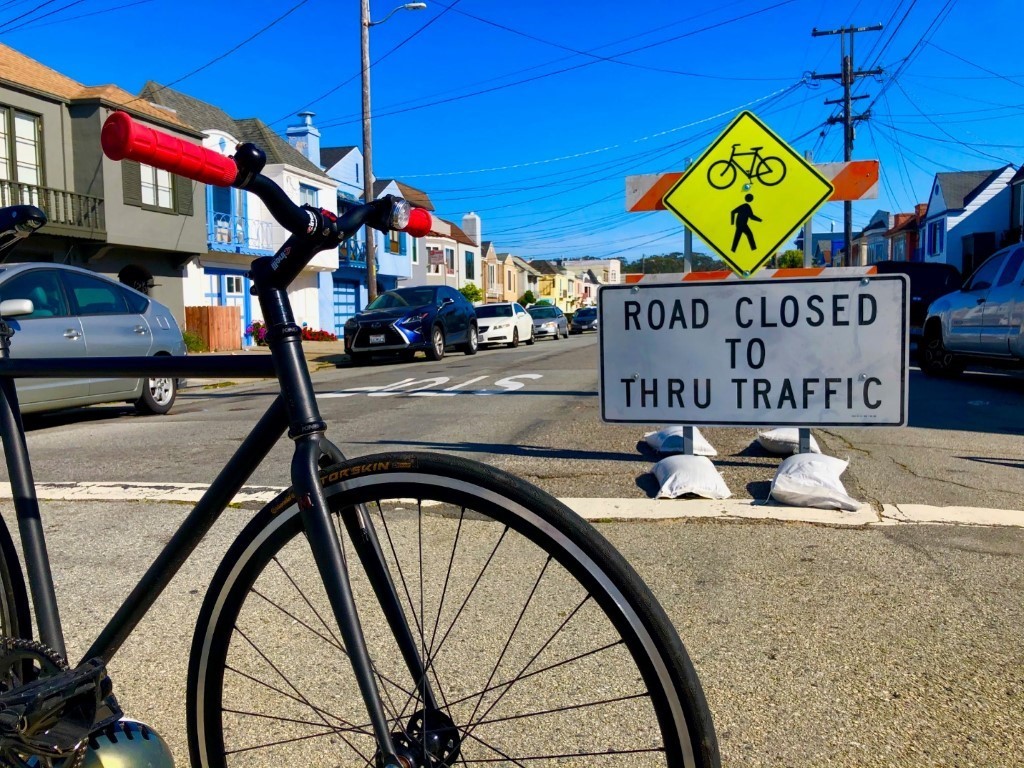
With Muni being reserved for essential trips only, walking and bicycling have become more important than ever during this pandemic. Streets that are calm and welcoming support newer bike riders, helping to reduce demand for Muni trips. We are using public feedback and pre-existing data to implement our Slow Streets traffic calming program and support walking and biking opportunities.
SFMTA staff gathered suggestions from conversations with members of the Board of Supervisors and community groups about locations for Slow Streets. They analyzed these inputs along with the 1,800 responses to our on-line, multilingual survey to identify the most frequently identified corridors. Streets were then screened for topography, surrounding land use, conflicts with Muni service, primary public safety routes and commercial loading zones.
When fully implemented, there may be over 34 miles of Slow Streets in San Francisco. We will analyze the effectiveness of the program by tracking the mode share of people driving, walking or biking on the street changes before and after implementation. Staff are also tracking side streets to see if there is substantial diversion of traffic.
As we move forward towards recovery, we expect bicycling to continue to serve trips that would otherwise be made on Muni or create traffic congestion in a private automobile. Our bicycle trip counters in some locations like the Panhandle path have shown massive increases. To be responsive and help provide more space for safer more comfortable riding, we are planning to add a protected bike lane on Fell Street. We will continue improving San Francisco streets through the data-informed approach to Vision Zero , build-out previously approved protected bike lanes and expand bike-share to provide access in more neighborhoods.
These are truly challenging times and the needs of San Franciscans are changing. We do not know everything that the future will bring but efficiently moving people around our city will always be a top priority. To do that, we must utilize data to adapt our transportation system to this crisis as well as use transportation as a tool to spur our city’s recovery.
Published May 27, 2020 at 04:17AM
https://ift.tt/2yyQRtx
Comments
Post a Comment