
Gene Henderson: Honoring Muni’s First Black Division Manager

Gene Henderson: Honoring Muni’s First Black Division Manager
By Jeremy Menzies

In recognition of Black History Month, we bring you the story of Gene Henderson, the first Black man to become the head of a Muni bus division, Muni’s Kirkland Division.

Henderson’s Background

Gene Henderson was born in Houston, Texas, in 1916. He married his wife Naomi in 1939 and then served in the U.S. Army during World War II. Following the war, Gene and his family moved to San Francisco where he began his career at the San Francisco Municipal Railway.

Early Career

On February 1, 1946, Henderson was hired as a streetcar motorman out of Sutro Division, which was located on the corner of 32nd Ave. and Clement St. He was hired just five years after Muni’s first Black transit operator, Audley Cole, had successfully fought to integrate the carmen’s union in 1941. In his early days at Muni, Gene worked one of the three lines running out of Sutro Division from the Ferry Building to the Richmond District on Sutter Street.
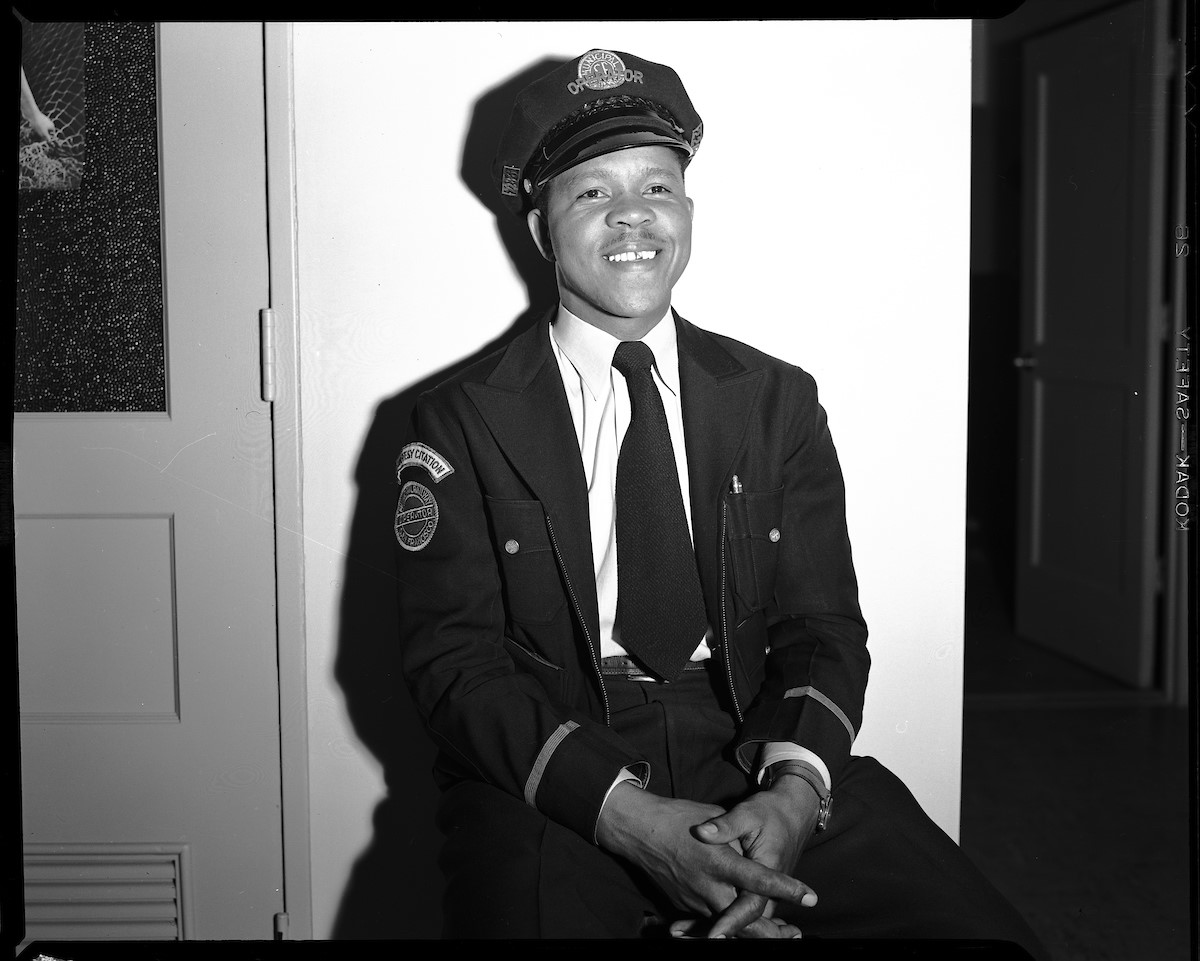
Gene Henderson in 1951

Gene Henderson, photographed in March 1951 for the Muni "Man of the Month" award.


Five years into his career at Muni, Henderson moved to Kirkland Division as a bus driver and was nominated by passenger commendations for the Muni "Man of the Month" award, a recognition given to operators demonstrating excellence in their work.

Moving Through the Ranks

Gene Henderson’s career was marked by a series of new assignments and promotional advancements within the organization. Moving from motorman to bus driver, line trainer, inspector, dispatcher and claims investigator before becoming superintendent, Henderson gained the skills and knowledge he needed to run a busy operating division first-hand.  He was appointed head of Kirkland Division in 1973.  In the June-July 1973 issue of Muni’s Trolley Topics newsletter, it was reported that on his first day in the position, he treated Kirkland operators to doughnuts and coffee along with a bit of advice from his years of experience.
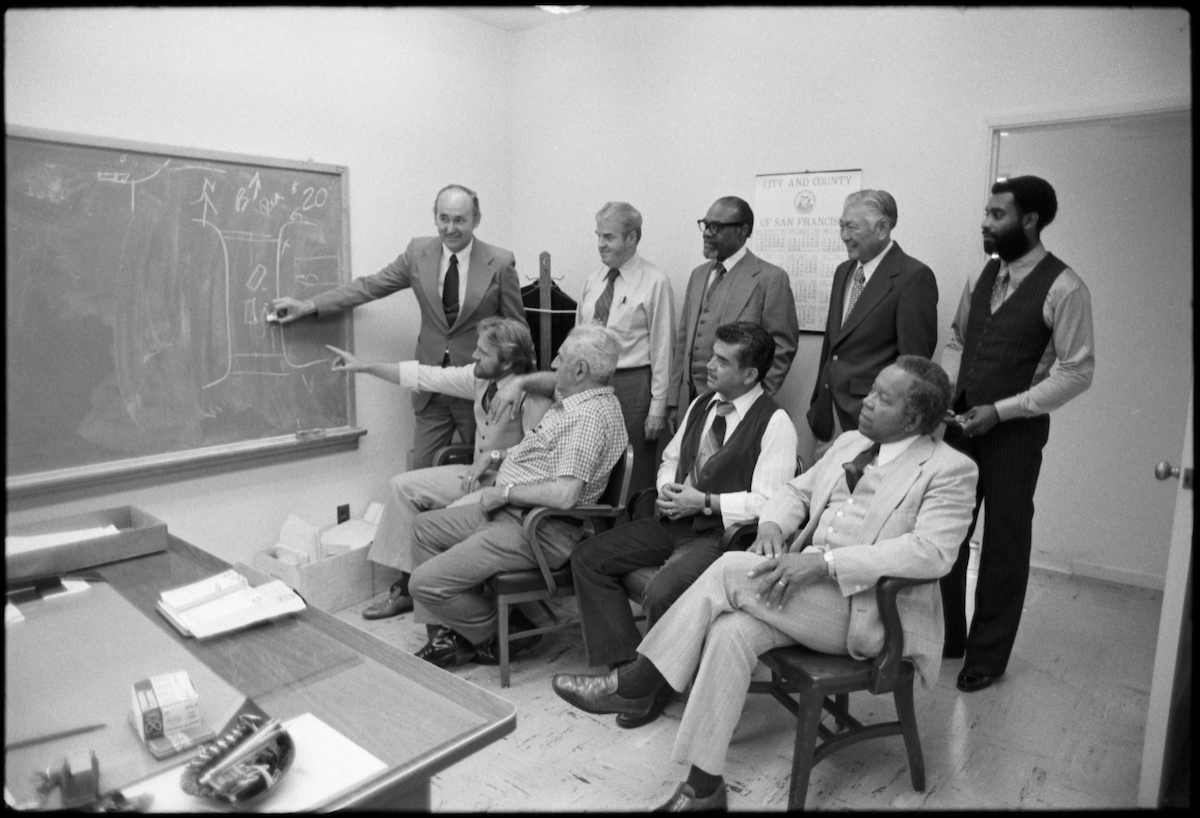
Gene Henderson (seated, fourth from the left) is pictured here with Muni's Claims Department staff in 1979, just one year before his retirement.

Gene Henderson (seated, fourth from the left) is pictured here with Muni's Claims Department staff in 1979, just one year before his retirement.

Late Career and Retirement

After three years as head of Kirkland, Henderson was on the move again, transferring to Assistant Claims Agent in 1976. Shortly thereafter, he became Safety and Training Supervisor in 1977, overseeing operator training and safety programs. In 1980, Henderson retired from Muni after over 34 years of service.  In the Trolley Topics newsletter article from the time, Henderson noted, "I've given it my best shot."  An understatement for a man who began as a streetcar operator and ended up as an important contributor to Muni's operations management.  Henderson passed away in 1999 at the age of 83.

For more stories of Muni’s unsung heroes and others who helped break down barriers in San Francisco transit, check out this article from Muni preservation partner, Market Street Railway and our past blog on the topic.


Published February 24, 2021 at 10:07PM
https://ift.tt/3spubCg

Comments

Popular posts from this blog

150 Years Ago Today – The Cable Car is Born

150 Years Ago Today – The Cable Car is Born By Kelley Trahan August 2, 2023, marks the 150th anniversary of the world’s first successful cable railway, born right here in San Francisco. To celebrate the occasion, we bring you the story of Andrew Hallidie and the very first cable car company, the Clay Street Hill Railroad.  Andrew Hallidie (1834-1900) was a pioneering inventor and entrepreneur who changed urban transportation. In 1852, at the age of 18, Hallidie emigrated with his father from the United Kingdom to San Francisco during the California Gold Rush. His father, an engineer and inventor, had a wire rope patent that played a crucial role in his son's future success.   Portrait of Andrew Smith Hallidie in 1890. Inspired by his father's wire rope business, Hallidie developed a steel cable mineral mine hauling system in 1857. About a decade later, he designed a wire rope aerial tramway for transporting materials over mountainous terrain. Then, after a stint in bridg...

Shared Spaces are Here to Stay. Permit Renewals are Due January 15, 2023.

Shared Spaces are Here to Stay. Permit Renewals are Due January 15, 2023. By Anne Yalon Shared Spaces, amongst many other benefits, allows our residents and families to enjoy safe and social outdoor dining. Seen here are the the owners of Tio Chilo’s Grill and their children in the restaurant’s parklet on 24th Street in the Mission.  San Francisco’s popular Shared Spaces program allows merchants, restaurants and arts and culture organizations to use the curbside, sidewalk and other public spaces to conduct local business activities and stay afloat. What emerged as an economic lifeline during the pandemic is making San Francisco’s streets more energized, engaged and activated. Many of the Shared Spaces parklets have become central gathering places for the local community. “ Our parklet makes me feel like when I go to Mexico, where outdoor seating is everywhere. People end up joining their friends in our parklet. It is a space for our customers and our community," said Liz V...

Tenderloin Streets Transform During COVID-19

Tenderloin Streets Transform During COVID-19 By Kimberly Leung COVID-19 has disproportionately impacted people who live and work in the Tenderloin. As a result, the SFMTA has been working closely with District 6 Supervisor Matt Haney’s office, other city departments, the Tenderloin Traffic Safety Task Force and community members to address the public health issues and unique challenges in the neighborhood through innovative interventions.    The Tenderloin is home to many of our most vulnerable communities including historically marginalized groups such as people with disabilities, residents of SROs and supportive housing and limited-English proficient communities. With every single street in the Tenderloin on the city’s High Injury Network -- the 13 percent of San Francisco streets that account for 75 percent of severe traffic injury collision and fatalities -- thi...