
Better Connections from Bayview and Hunters Point to Downtown

Better Connections from Bayview and Hunters Point to Downtown
By Enrique Aguilar

To better connect southeast San Franciscans with downtown, the SFMTA debuted the 15 Bayview Hunters-Point Express in late January, coinciding with the return of T Third train service. Within weeks, average daily boardings reached 1,000 customers on this new service.
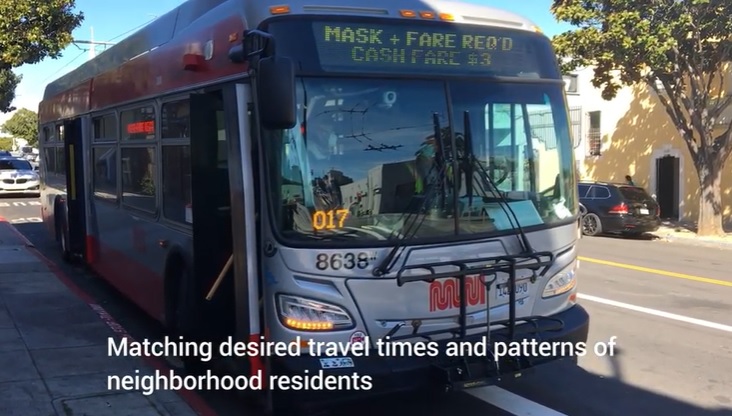
Photo of 15 Bayview Hunters Point Express bus

The 15 Bayview Hunters Point Express 

We added this route based on community feedback from the Southeast Muni Expansion Project in 2018, which prioritized a more direct trip to downtown from the Bayview. With the sudden rise of the COVID-19 pandemic and its disproportionate impacts on communities in the Bayview and Hunters Point, fast-tracking the project became critical to our transit planning. Adding service capacity and a direct connection between these neighborhoods and downtown is a crucial step in supporting the City’s economic recovery and increasing job access for essential workers using transit.

Using data from the SFMTA Equity Toolkit, staff determined that the addition of the 15 Bayview Hunters Point Express in the January 23 service changes resulted in the largest increase in job access for 45- and 60-minute commutes of any San Francisco neighborhood.

The SFMTA convened the Bayview Hunters-Point Express Working Group, comprised of community leaders who helped shaped the conversation on route options. Then, at a time when pandemic precautions precluded in-person community outreach, we invited all area residents to vote for their preferred route through both an online and text-based survey.

After months of planning and continuous support from the Bayview Hunters-Point Express Working Group, we were able to implement a route that offers service closer to residents’ homes and make trips shorter for community members.

“We appreciate the community process and approach SFMTA took to reinstate the 15 Bayview Hunters Point Express,” said Lyslynn Lacoste, Executive Director at Bayview Hunters Point Mobilization for Adolescent Growth in our Communities (BMAGIC) and working group member. “Particularly identifying and prioritizing those that are most isolated in the Bayview community and ensuring that they have efficient access to the public transportation line extending to downtown. I look forward to personally utilizing [it] myself as I travel from the downtown area to my office in the Bayview.”

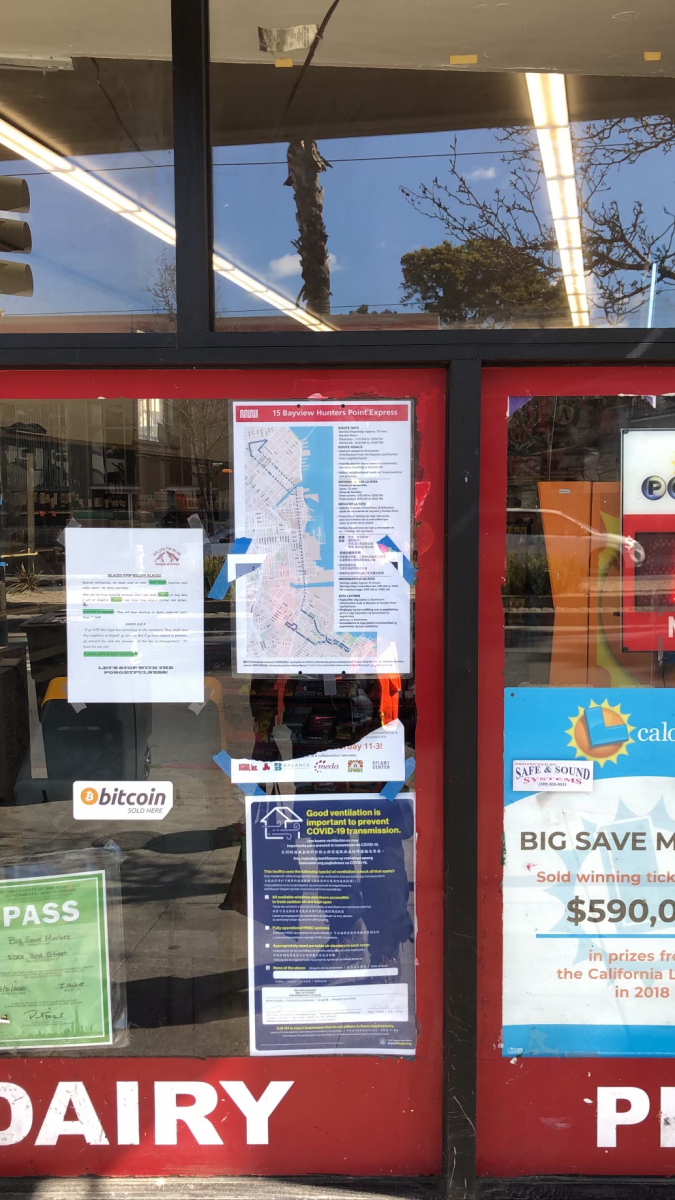
While in-person outreach remains limited due to COVID-19 physical distancing guidelines, SFMTA staff continue to engage community residents and leaders in order to evaluate the service and gather feedback. Discussions with the working group on the initial impact of the service began earlier this week. In mid-March, project staff also distributed handouts to customers of the 15 Bayview Hunters Point Express waiting at bus stops and onboard when riding between downtown and the Bayview. Posters were also placed in businesses along Third Street in the Bayview.
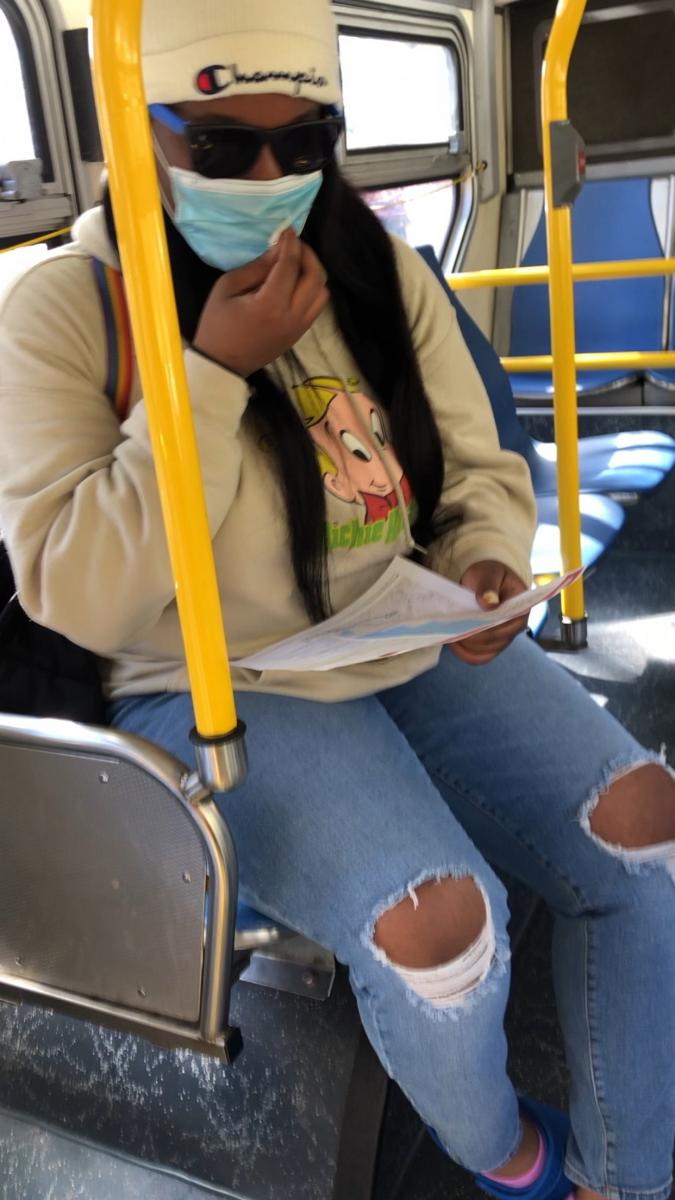
Muni customer reading handout provided by SFMTA staff
Muni customer reading handout provided by SFMTA staff

15 Bayview Hunters Point Express signs were posted at businesses along Third Street

15 Bayview Hunters Point Express signs were posted at businesses along Third Street

Community members are encouraged to provide comments on the 15 Bayview Hunters-Point Express by completing the online Muni feedback form.


Published March 26, 2021 at 08:57PM
https://ift.tt/3svsJig

Comments

Popular posts from this blog

150 Years Ago Today – The Cable Car is Born

150 Years Ago Today – The Cable Car is Born By Kelley Trahan August 2, 2023, marks the 150th anniversary of the world’s first successful cable railway, born right here in San Francisco. To celebrate the occasion, we bring you the story of Andrew Hallidie and the very first cable car company, the Clay Street Hill Railroad.  Andrew Hallidie (1834-1900) was a pioneering inventor and entrepreneur who changed urban transportation. In 1852, at the age of 18, Hallidie emigrated with his father from the United Kingdom to San Francisco during the California Gold Rush. His father, an engineer and inventor, had a wire rope patent that played a crucial role in his son's future success.   Portrait of Andrew Smith Hallidie in 1890. Inspired by his father's wire rope business, Hallidie developed a steel cable mineral mine hauling system in 1857. About a decade later, he designed a wire rope aerial tramway for transporting materials over mountainous terrain. Then, after a stint in bridg...

Shared Spaces are Here to Stay. Permit Renewals are Due January 15, 2023.

Shared Spaces are Here to Stay. Permit Renewals are Due January 15, 2023. By Anne Yalon Shared Spaces, amongst many other benefits, allows our residents and families to enjoy safe and social outdoor dining. Seen here are the the owners of Tio Chilo’s Grill and their children in the restaurant’s parklet on 24th Street in the Mission.  San Francisco’s popular Shared Spaces program allows merchants, restaurants and arts and culture organizations to use the curbside, sidewalk and other public spaces to conduct local business activities and stay afloat. What emerged as an economic lifeline during the pandemic is making San Francisco’s streets more energized, engaged and activated. Many of the Shared Spaces parklets have become central gathering places for the local community. “ Our parklet makes me feel like when I go to Mexico, where outdoor seating is everywhere. People end up joining their friends in our parklet. It is a space for our customers and our community," said Liz V...

Tenderloin Streets Transform During COVID-19

Tenderloin Streets Transform During COVID-19 By Kimberly Leung COVID-19 has disproportionately impacted people who live and work in the Tenderloin. As a result, the SFMTA has been working closely with District 6 Supervisor Matt Haney’s office, other city departments, the Tenderloin Traffic Safety Task Force and community members to address the public health issues and unique challenges in the neighborhood through innovative interventions.    The Tenderloin is home to many of our most vulnerable communities including historically marginalized groups such as people with disabilities, residents of SROs and supportive housing and limited-English proficient communities. With every single street in the Tenderloin on the city’s High Injury Network -- the 13 percent of San Francisco streets that account for 75 percent of severe traffic injury collision and fatalities -- thi...