By Christopher Ward
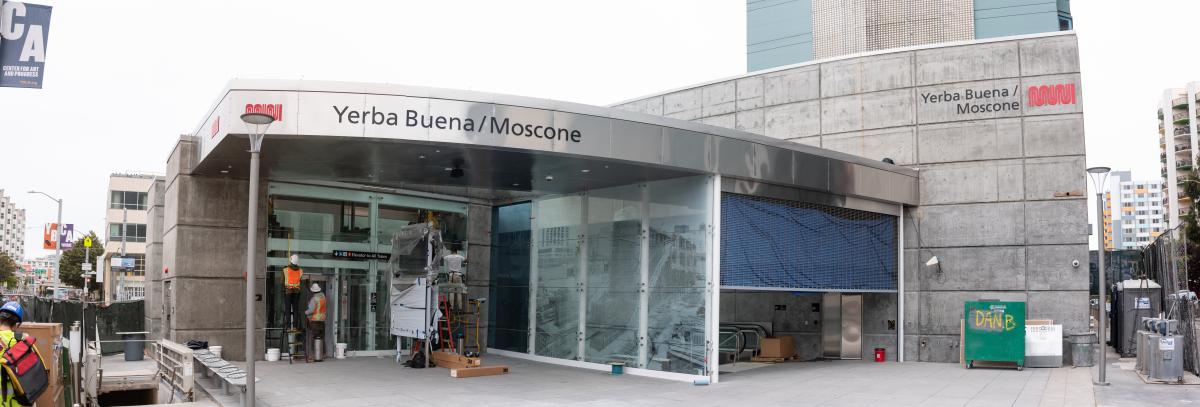
Starting November 19, Central Subway opens for special service, allowing customers to experience the new Yerba Buena/Moscone Station.
The new Yerba Buena/Moscone Station at 4th and Folsom streets along the Central Subway connects Muni customers with the communities and attractions in San Francisco’s South of Market district. The new station is located across the street from Yerba Buena Square and the Moscone Convention Center and steps away from hotels, museums, shopping and restaurants. However, you choose to spend your time in Yerba Buena, you’ll have no shortage of things to do.
Interested in the arts and culture? Yerba Buena/Moscone Station is your stop! Explore the San Francisco Museum of Modern Art (SFMOMA), the Contemporary Jewish Museum, the Yerba Buena Center for the Arts, the Museum of the African Diaspora (MOAD), the American Bookbinder’s Museum or the Children’s Creativity Museum, all within a couple blocks.
Smartphone users can also take the Yerba Buena Public Art Audio Walking Tour – a self-guided experience curated by the Yerba Buena Community Benefit District that explores the diverse public art in the area. Or visit the California Historical Society to learn more about our great state.
Forgot what it’s like to go to the movies? Catch a new film – maybe in 3D – at the Metreon, just blocks from the new Yerba Buena/Moscone Station. Or gather friends for a more active experience at the Yerba Buena Ice Skating and Bowling Center.
Casual and fine dining restaurants, hip coffee shops and both trendy and classic bars abound throughout the area around the Yerba Buena/Moscone Station. Or opt for a picnic at the Yerba Buena Gardens.
San Francisco City College students and faculty will also be able to take the T Third and get off at Yerba Buena/Moscone Station to get to the downtown center campus on 4th and Mission.
Going shopping? The Yerba Buena/Moscone Station puts Muni customers close to the Westfield Shopping Centre, big box stores like Target and the Container Store on 4th Street, and food hubs like Trader Joe’s and Whole Foods.
The Yerba Buena area of SoMa is also the thriving cultural hub of the Filipino community in San Francisco. For a unique experience, visit Arkipelago Books – a cornerstone of the Filipino community in SoMA for 20 years. Follow the Public Art Walking Tour to Lapu Lapu and learn more about Filipino history and key figures of the community.
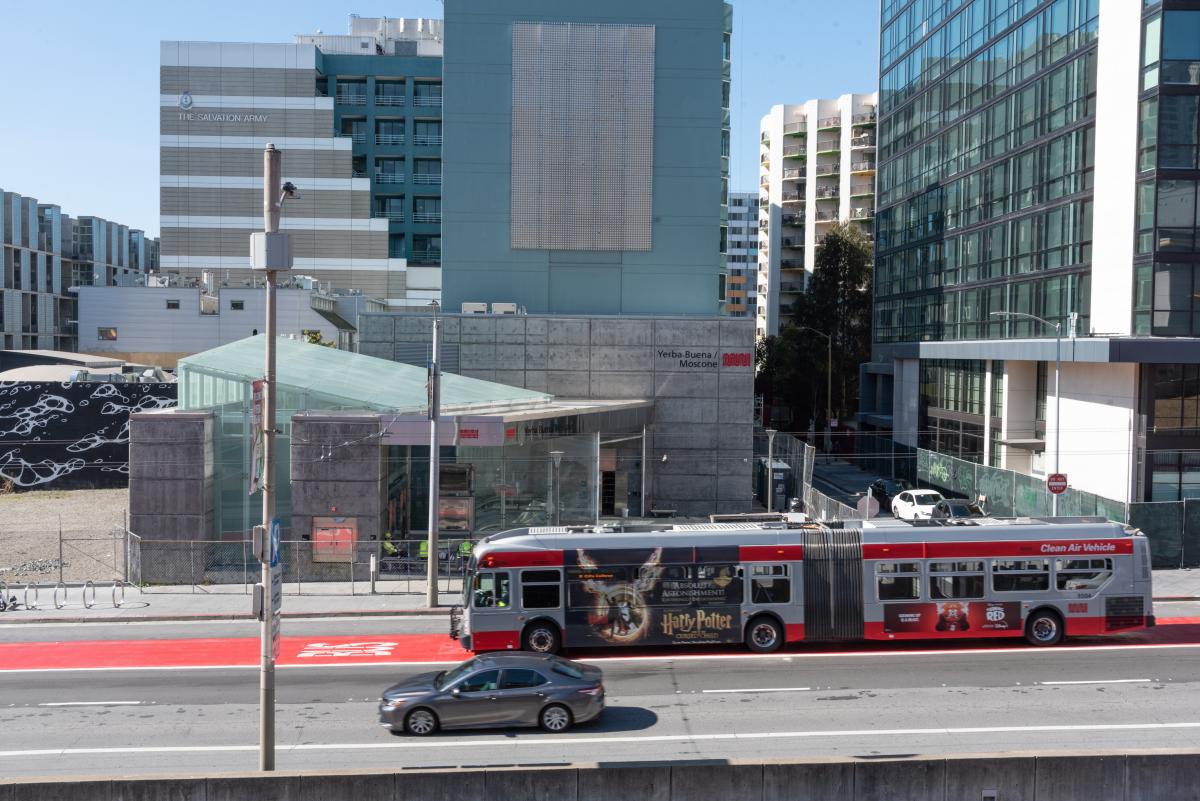
At the Yerba Buena/Moscone Station, Muni riders can easily transfer to several nearby Muni lines to get around the city!
Connect to these SoMa destinations when you hop on Central Subway’s special weekend service starting Saturdays and Sundays, November 19, from 8 a.m.-12 a.m.
For those who wish to connect from Yerba Buena/Moscone Station to other locations around the city, several bus routes that are within walking distance of the new station including the 8 Bayshore, 8AX Bayshore Express A, 8BX Bayshore Express B, 15 Bayview Hunters Point Express, 30 Stockton, 45 Union, 91 3rd Street and 12 Folsom.
Get to know the new Central Subway destinations with special weekend service through the end of year. Then, on Saturday, January 7, kick off the new year with new T-Third service via Central Subway between Chinatown and Sunnydale. Fall in love with San Francisco all over again!
Published November 17, 2022 at 11:21PM
https://ift.tt/fqpkwJ3
Comments
Post a Comment