By Monica Munowitch
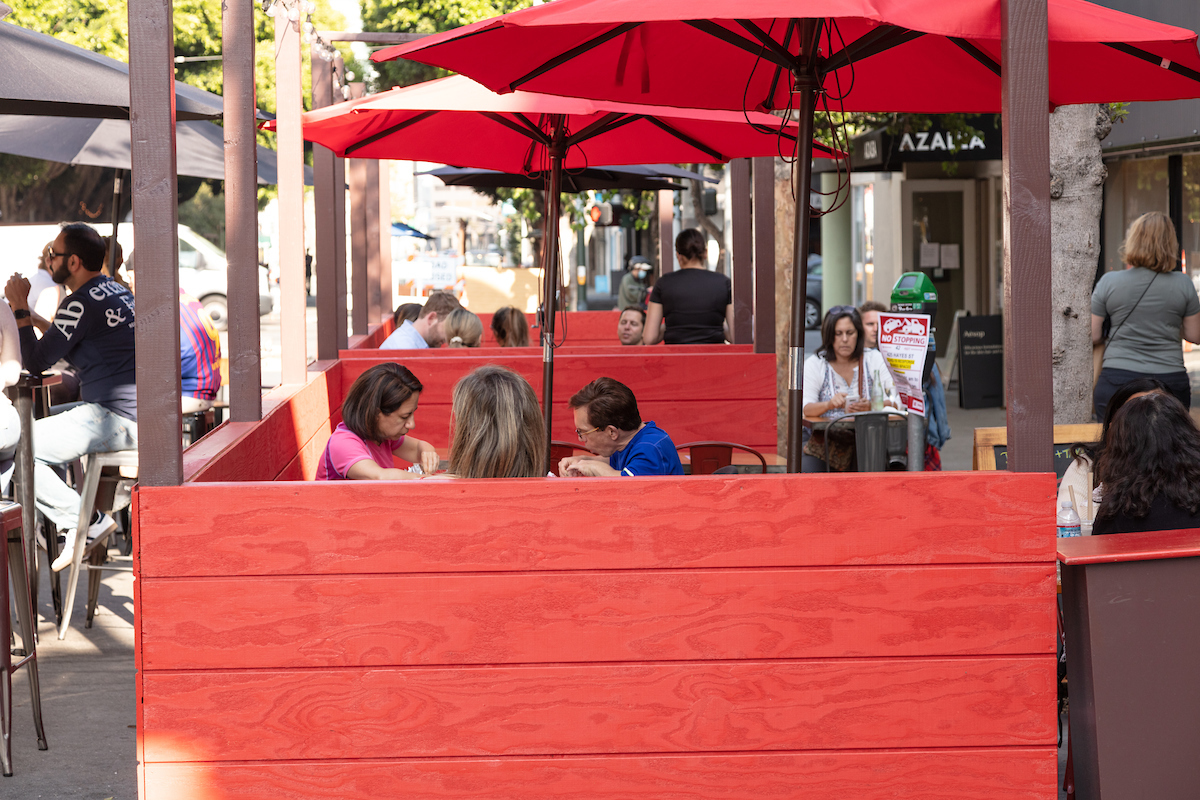
San Francisco established the Shared Spaces program during the pandemic to make it possible for restaurants and neighborhood business districts, like Hayes Street, to have additional outdoor space in the form of parklets, sidewalk space and block closures they so desperately needed when it wasn’t safe to operate indoors. In addition to bringing people outdoors, it also brought people together, creating community and delight throughout our city. That’s why the Mayor and Board of Supervisors made Shared Spaces a permanent program to allow for outdoor dining and activations that will continue to support our businesses and commercial corridors and enliven our public spaces.
This Summer, the Hayes Valley Merchant Council applied for a permit to continue their Hayes Street “Shared Street” block closure every weekend, including Fridays 4 to 10 p.m., Saturdays 10 a.m. to 10 p.m. and Sundays 10 a.m. to 10 p.m. While there was a lot of support to continue this closure, the City also heard a lot of concerns around safety and travel confusion. To develop next steps for the Hayes Street closure, city staff from the SFMTA, Mayor’s Office and Office of Small Business met with key stakeholders from each of the core Hayes Valley merchant and neighborhood groups to discuss their interests and concerns, and gain consensus about how to best close this busy stretch of the commercial corridor. The Hayes Valley Merchants Council completed its own membership survey, which showed strong support from residents to continue the three-day closure, while others wanted it reduced or removed entirely.
Just as we adapted our streets to the conditions of the pandemic, we must also adapt our streets to the demands they face today in recovery. With that in mind, we have developed a set of recommendations to make sure the Hayes Street Shared Street closure continues to bring delight and community to the neighborhood, while minimizing unintended negative impacts on nearby businesses and other city operations.
Once we developed recommendations for a path forward, city staff went door to door to speak with each of the merchants along the Hayes Valley commercial corridor to get their feedback and understand their needs and preferences. While the feedback ranged from a desire to keep the street closed all weekend (16% of corridor merchants) to a preference for it never being closed at all (11%), two thirds (66%) of corridor merchants preferred or were satisfied with the option of a Saturday one-day closure. Many merchants asked for more activation and programmed events during the closure, plus improved safety measures for moving through and around the closure. These discussions informed the final package of recommendations that will be considered by the SFMTA Board.
Recommendations
-
Consolidate the street closure from three days a week to Saturdays from 1pm-10pm. We heard from some merchants that access to their businesses was being impacted by the recurring 3-day closure. The 3-day closure was also limiting emergency access by the Fire Department and impacting operations of the 21-Hayes Muni line. A one-day closure will allow the permit sponsor to focus their resources on creating a successful, consolidated event while accommodating the multitude of needs on the street during the other weekend times.
-
Incorporate activities to activate the block and bring more people to the neighborhood. A shared street should bring people together – and we’ve asked the permit sponsor organize activities such as music, games, and artists that enliven the space and create a destination.
-
Add new cones, barricades, signage and wayfinding at Gough and Octavia streets to minimize the double parking that has impacted emergency access and circulation. The SFMTA will provide new signs to help traffic navigate the street closure and a new barricade set-up to discourage people from double parking at the entrances. The agency will also prioritize new loading zone spaces near the Hayes intersections of Octavia and Gough to create more pick-up and drop-off zones and clearly delineate where food pickup activity should occur.
-
Monitor the closure. The City has asked the permittee to monitor the street closure to ensure people use it safely and do not drive through the closed street or double park at the cones and block emergency access.
The City is committed to seeing the Hayes Street closure succeed and the neighborhood thrive. Our recommendations aim to address the diversity of current needs, interests and concerns we heard from merchants, residents and visitors so that Hayes Street can continue to bring people together. If it turns out that modifications need to be made over time, we can make changes in the future; and that could include extending hours, days and even blocks. We look forward to seeing you on Hayes Street!
These recommendations will go to the SFMTA Board for approval on Tuesday, October 17. You can learn how to attend the Board meeting in person or virtually, and view the meeting agenda (https://www.SFMTA.com/Calendar/Board-Directors-Meeting-October-17-2023) which will be posted at the end of this week.
Published October 11, 2023 at 06:37AM
https://ift.tt/hpDVMU9
Comments
Post a Comment