By Chava Kronenberg
 Today, the San Francisco Recreation and Park Department (RPD) and the SFMTA are jointly launching the Golden Gate Park Access and Safety Program, an effort to consider a post-pandemic set of closed or restricted access streets and mobility choices in San Francisco’s most iconic park.
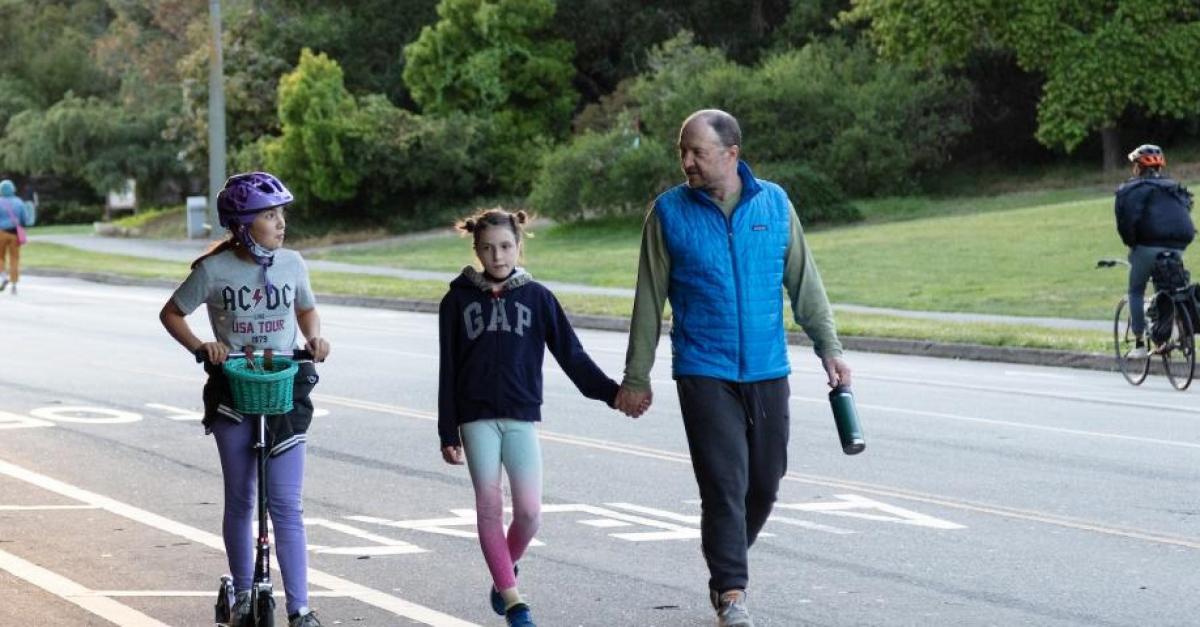
During the first weeks of the pandemic, RPD closed JFK Drive on the east side of the park to drivers, following up with additional segments on the west side including Middle Drive and MLK. Closing these streets in 2020 was a step in decades of reducing the number of streets for cars in the park, and furthered a long conversation about opening JFK Drive to people walking, biking, scooting, rolling, dancing, and skating.
We’ve been monitoring and learning from the current car-free streets in the park. Since the closure, we’ve seen almost 7 million walking, biking, and rolling trips on JFK Drive, representing a 36% increase in people visiting the Park on the car-free route (compared to pre-pandemic visits). With the elimination of cut-through traffic there have been no serious injury collisions on the car-free route (there were more than 50 such collisions over the 5 years prior). We have also seen faster transit service on the 44 O’Shaughnessy Muni line, which travels through the Music Concourse and serves the Bayview & Excelsior neighborhoods.
However, in addition to these successes, there have been access challenges for popular destinations and for park visitors in the disability community. The purpose of the Golden Gate Park Access and Safety Program is to bring a broad array of project proposals that can make access to the park even better than before the COVID closure while still retaining the traffic safety and park experience improvements we’ve experienced.
So now we’re ready to ask you:
- Which streets should be closed to cars post-pandemic in Golden Gate Park?
- What new or improved mobility options can be implemented to make these closures work for everyone?
Today, we’re launching our public outreach process through the GGP Access and Safety Online Open House, and with scheduled virtual information sessions and in-park tours. The proposals include potential street closures within Golden Gate Park, improved access to mobility services like the park shuttle, taxis, bikeshare, scootershare, pedicabs and more.
The upcoming public events include:
- Virtual information sessions on September 30 and October 2, where you can hear a public presentation from program staff and ask questions;
- Pop-up tabling in Golden Gate Park every Sunday in the Park this October and at neighborhood markets;
- Walking/rolling and biking tours on the current car-free route; and
- More to be scheduled!
You can also contact us at GGPAccess@sfmta.com if you’d like a presentation for your organization, or to give us direct feedback. More information about how to engage in the program and the overall effort is on our webpage. We look forward to working with you to make Golden Gate Park safe and accessible for everyone.
Published September 22, 2021 at 07:49PM
https://ift.tt/39tQhfC
Comments
Post a Comment